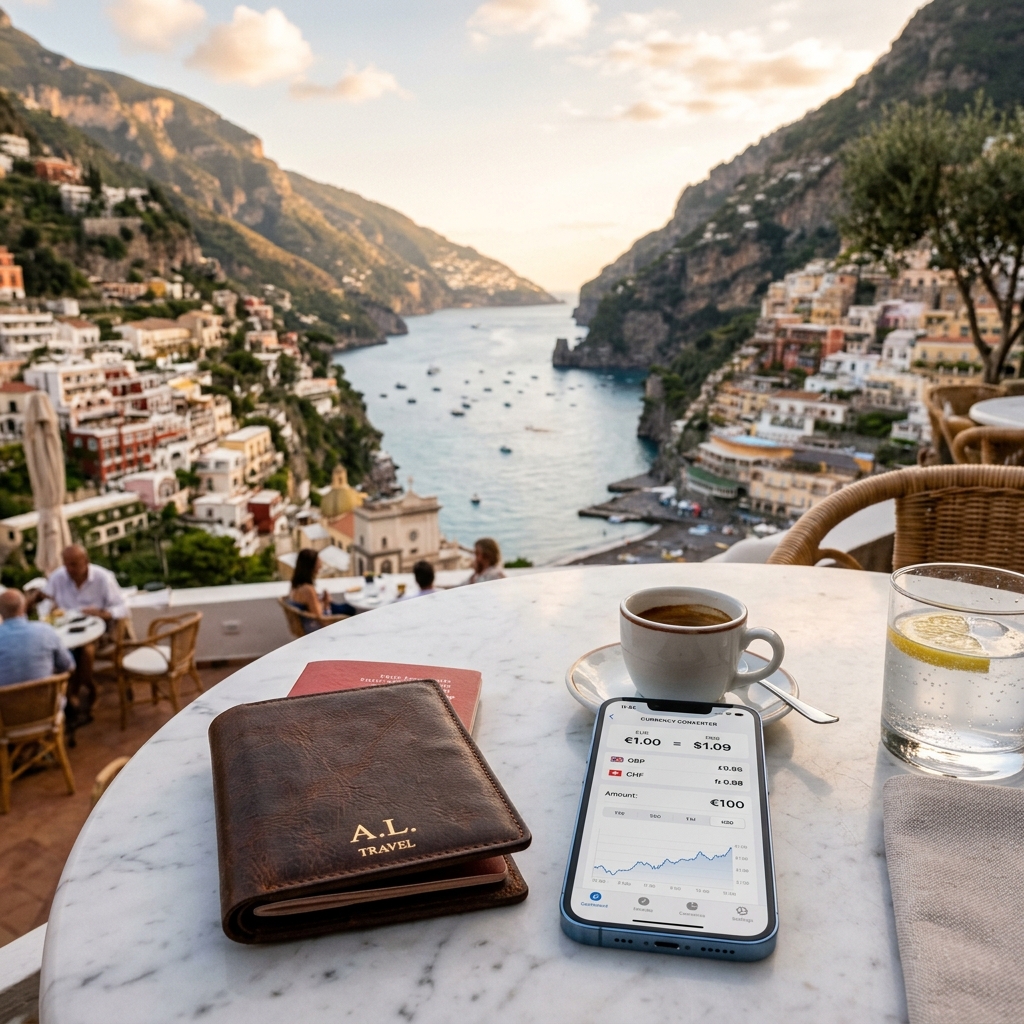
Travel in 2026 has become a mathematical optimization problem. With the rise of "Digital Nomadism," the goal has shifted from "How cheap can I find a flight?" to "How can I optimize my cost of living through Geographic Arbitrage?" By moving to a location where your currency has more purchasing power, you can effectively double your income overnight.
The Math of Geographic Arbitrage
Geographic Arbitrage is the practice of earning in a "strong" currency (like USD or EUR) and spending in a "weak" currency. If your monthly expenses in NYC are $4,000, but in Lisbon they are $2,000 for the same quality of life, your "Real Income" has effectively increased by 100%.
Slow Travel vs. Fast Travel
Traditional tourism is mathematically inefficient. You pay "retail" prices for transport and accommodation. Slow travel (staying 30+ days) allows you to access "wholesale" rates: monthly Airbnb discounts (often 30-50%), grocery shopping vs. restaurants, and lower transport amortized over time.
The 'Value of Time' in Transit
When booking travel, most people only look at the price. A mathematically literate traveler looks at the "Total Cost," which includes the value of their time. If a direct flight is $100 more but saves you 6 hours of layovers, and your Effective Hourly Rate is $50/hr, the direct flight is "effectively" $200 cheaper.